

UV Protection for Your Eyes: Why Sunwear Matters Just as Much as Sunscreen

UV Protection for Your Eyes: Why Sunwear Matters Just as Much as Sunscreen

UV Protection for Your Eyes: Why Sunwear Matters Just as Much as Sunscreen

UV Protection for Your Eyes: Why Sunwear Matters Just as Much as Sunscreen

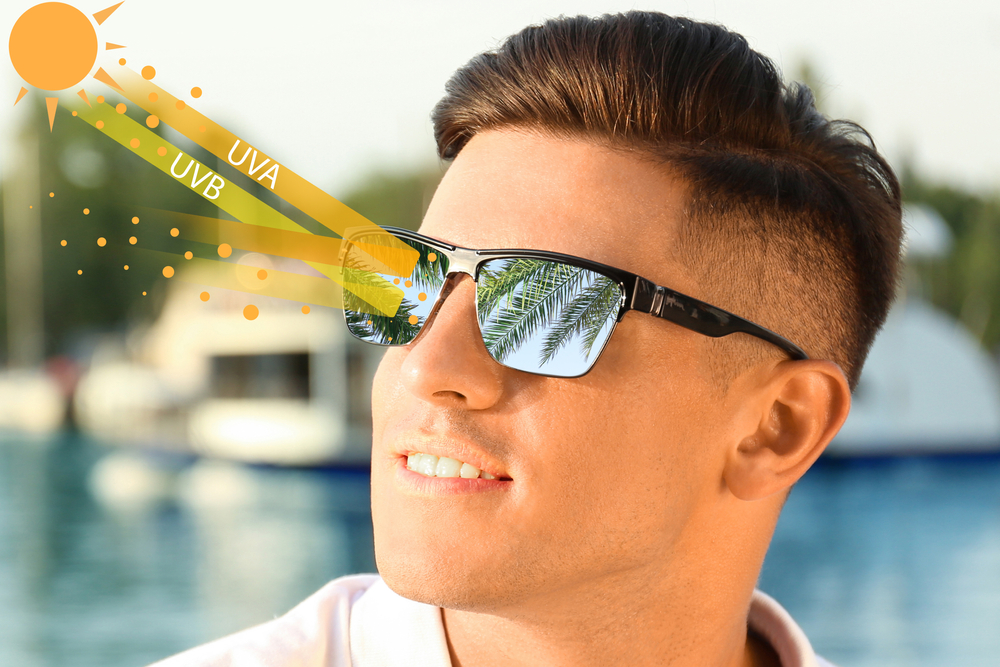
Sunscreen goes on before a day outside. That habit is automatic for most people. Sunglasses? Often forgotten, or grabbed only when the glare gets bad.
That gap is worth closing. Sunlight reaches your eyes every time you head outside. Damage builds quietly across decades. Sunglasses are not a fashion extra. Treat them as protective gear.
What UV Light Does to the Eye
Sunlight carries two kinds of radiation UVA and UVB. Neither one stops at the eyelid.
The damage shows up in several places. Cataracts form when the lens clouds over. Macular degeneration erodes central vision. It also ranks as the top cause of vision loss in older adults. Tumors can grow on the eye’s surface. They can also form on the eyelids and nearby skin.
The skin near the eyes is thin and fragile. Wrinkles and sun damage often start there. Skin cancer belongs on that list too. This area gets far less sunscreen than the rest of the face.
Cloudy Days Count
Many people save sunglasses for bright afternoons. That habit leaves the eyes exposed more often than they realize. UV light slips through clouds. It bounces off water, sand, concrete, and snow.
Your eyes face UV whenever you are outdoors, clouds or no clouds. Think of sunglasses the way you think of sunscreen. Protection is daily, not occasional.
Not All Dark Lenses Protect
Dark does not mean protective. That difference trips up a lot of shoppers.
A tinted lens with no UV filter only dims the light. Squinting stops. The rays keep coming. A dark lens without UV protection can even widen the pupil, which lets more UV light inside.
The label tells the real story. Look for “100% UV protection” or “UV400.” Either one confirms full UVA and UVB blocking.
What to Look for Beyond the Label
Fit matters as much as the filter. Small frames leave the sides of the eye open. Wraparound styles and larger lenses block rays that would otherwise sneak in from the side. Airflow drops too, and that helps people with dry eye.
Polarized lenses reduce glare from water and roads. Driving and time on the water get easier on the eyes. Polarization adds no UV protection by itself, so read the label for that separately.
Lens color does not change UV protection. It does change how you see. Gray lenses keep colors natural. Brown lenses boost contrast and depth perception.
Polycarbonate lenses earn a mention for anyone active outdoors. They are shatter-resistant, light, and thin.
Prescription Wearers Have Options
Glasses do not force a choice between clear vision and sun protection. Plenty of options cover both.
Prescription sunglasses deliver both. Transition lenses darken automatically in bright light. Clip-on shades cost less than a second pair of prescription glasses. Contact lenses offer some UV blocking, but they cover only the cornea. The eyelids and the rest of the eye’s surface still need sunglasses.
Start Early, Stay Consistent
Damage adds up across a lifetime. That is why eye care experts recommend sunglasses for children as young as 6 months. A child’s eyes let in more UV than an adult’s. The effects accumulate.
Teaching the habit early works the same way it does with sunscreen. Kids who watch parents reach for shades usually follow.
Sun protection is a package. Sunscreen covers the skin. Sunglasses cover the eyes and the skin around them. Skipping one leaves a gap.
The right pair does not have to be expensive. Three things cover the basics. A label that says 100% UV protection. A frame that covers the eye area. A style you will actually wear. Everything else is a bonus.
Choosing a pair can feel overwhelming with so many options on the shelf. An eye care specialist can narrow the field and fit prescription sunwear around your vision needs. Your eyes face the sun every day. They deserve the same care as the rest of your skin.
For more on the importance of sunwear, visit Dr. Timothy P Kenkel and Associates at our office in Cincinnati, Ohio. Call (513) 951-8100 to book an appointment today.


© 2026 Dr. Timothy P Kenkel and Associates. All Rights Reserved. Accessibility Statement | Privacy Policy | Sitemap
Powered by:
